

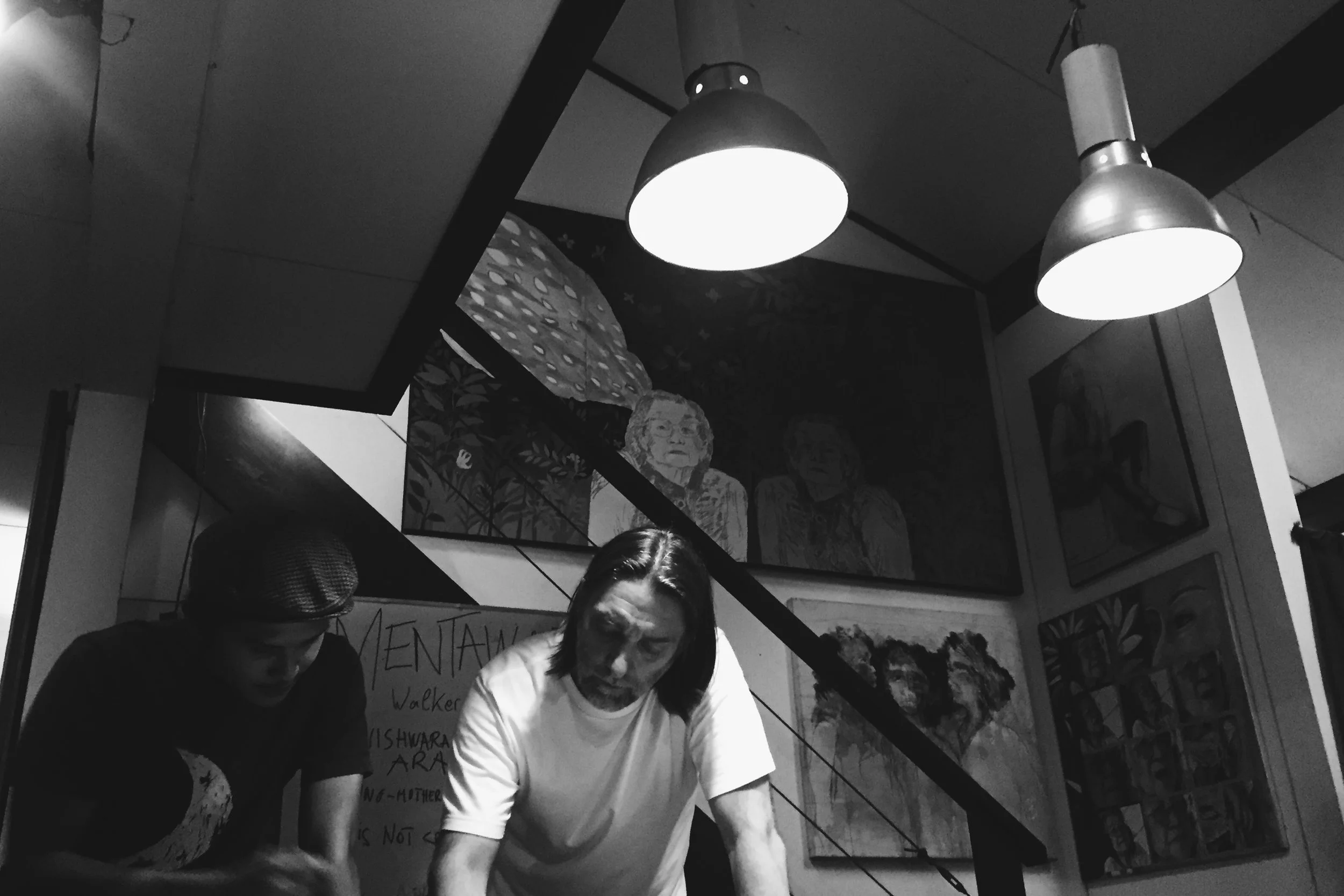
On The Art of Losing Oneself: Lessons from Klavdij Sluban
After attending workshops with Klavdij Sluban in Jakarta and Bandung, I’ve started to look at my own lens differently. Sluban’s 'art of distance' challenges the fast-paced, news-driven way we consume images today. He doesn't take photos to illustrate the world—he takes them to explore the exile within us all.

On Wuthering Heights and Why Modern Gothic Adaptations Often Falter
If your Heathcliff is just a hot guy in a nice coat, you aren't telling the story of Wuthering Heights—you're filming a perfume commercial.
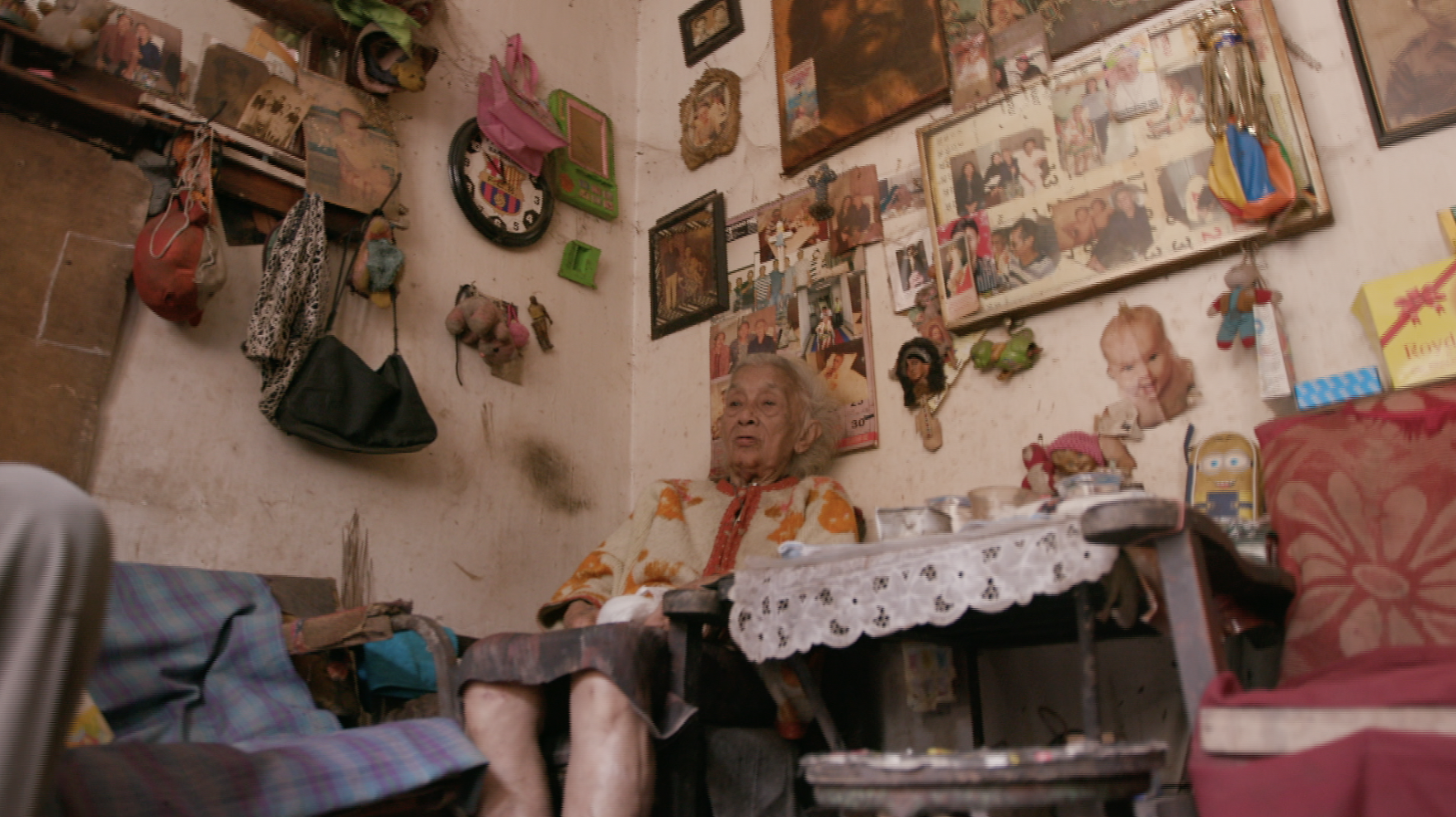
On Ianfu: The Weight of the Unspoken
For years, I have listened to the stories of ianfu, or comfort women, like Sri Sukanti. Every time I sit across from their descendants, I am reminded that my job is not just to report; it is to serve as a vessel for a scream that has been muffled for eight decades.
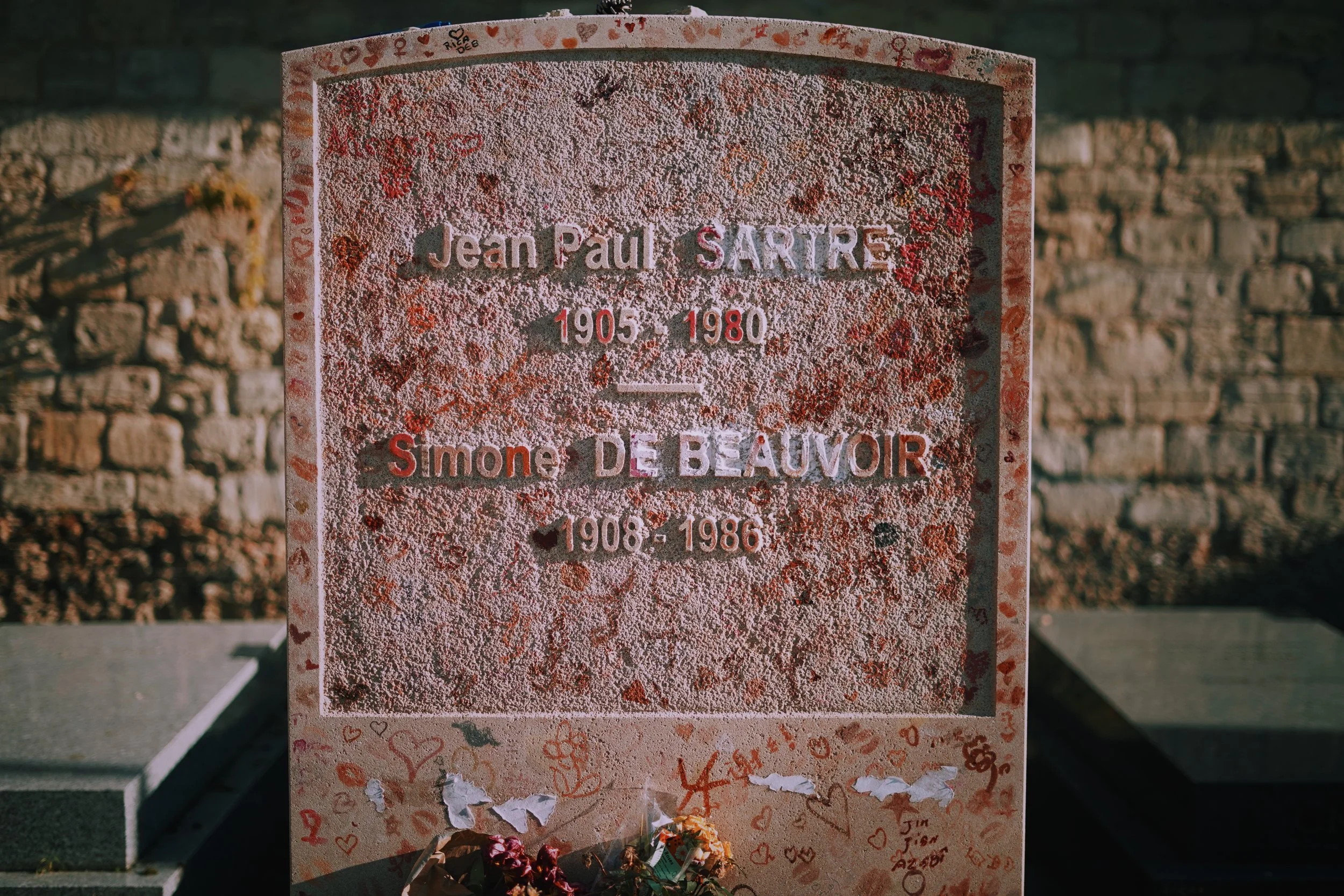
On Sartre and Beauvoir: From Isolation to Interconnection
Visiting Jean-Paul Sartre and Simone de Beauvoir’s shared grave at Montparnasse Cemetery is more than a visit; it feels like paying respect. They lie there together, partners in life and in thought. Their resting place reminds us that freedom means the most when it is shared, not lived alone.
![On [Temporary] Silence](https://images.squarespace-cdn.com/content/v1/63821508e97acb1be106481c/1768138526408-SA7LZW34PHXX129URDQZ/F7210031.JPEG)
On [Temporary] Silence
My act of resigning from a demanding, corrupted field like modern journalism often feels like a highly personal embrace of Susan Sontag’s essay "Aesthetics of Silence." When I step away, I'm not just changing jobs; I’m executing the ultimate gesture of intellectual renunciation—a move toward necessary silence. And the scene changes to an empty room.

On bell hooks
The main problem of feminist discourse in the second wave of feminism and its aftermath is the inability of feminists to agree on what feminism is. Each of them, defines feminism through their own point of view. For bell hooks, this implies the political naivety of women in a male-dominated culture, and actually eliminates solidarity between women.


On decolonial feminism and indigenous communities
While the researchers or journalists might receive recognition and fame after their work is published, many indigenous communities continue to live within political and social conditions that perpetuate extreme levels of poverty, chronic ill health and poor educational opportunities.

On Audre Lorde
“As women, we have been taught either to ignore our differences, or to view them as causes for separation and suspicion rather than as forces for change. Without community there is no liberation, only the most vulnerable and temporary armistice between an individual and her oppression.”


In transit
I was in the middle of a trip documenting daily life of Tibetan monks and refugees somewhere close to Indo Tibetan border in the Trans-Himalayan belt of Himachal Pradesh whilst I bumped into this view.

On intimacy
It’s not as aggressive light like the sun; it’s more like the moon. It’s not graling, it’s not dazzling, it’s very cool. It’s not hot, it’s very compassionate, it’s very soothing, it’s balm. That’s how intimacy works.
On why we, the women, owe Simone de Beauvoir so much
Though women occupy more than half of the humanity, they have been prevented from enjoying the same rights and privileges as those of man.
On radical rejection of motherhood
Growing up, getting married, and having few rug rats may seem like the ideal dream for women. This dream, however, does not apply to all.