On Ianfu: The Weight of the Unspoken
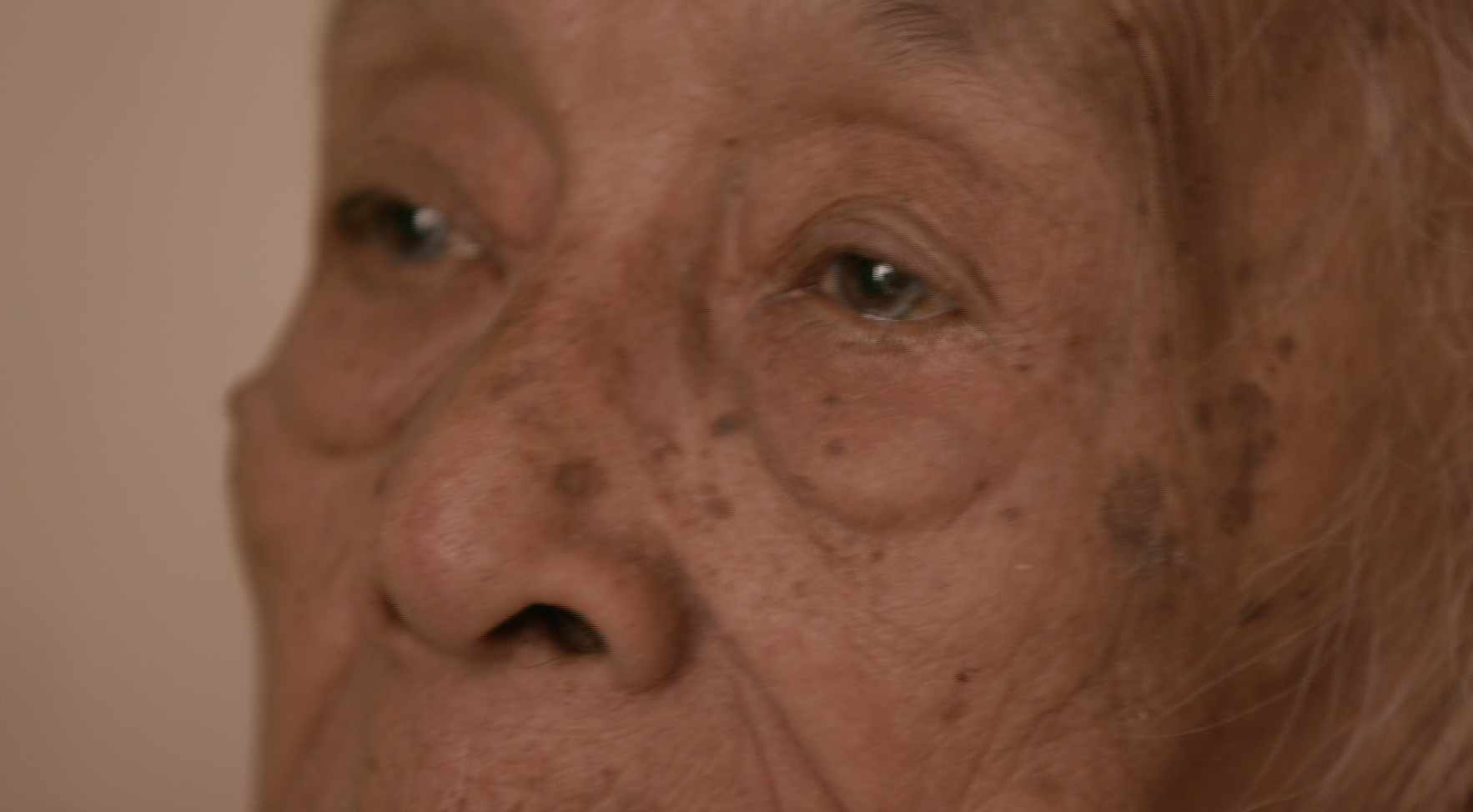
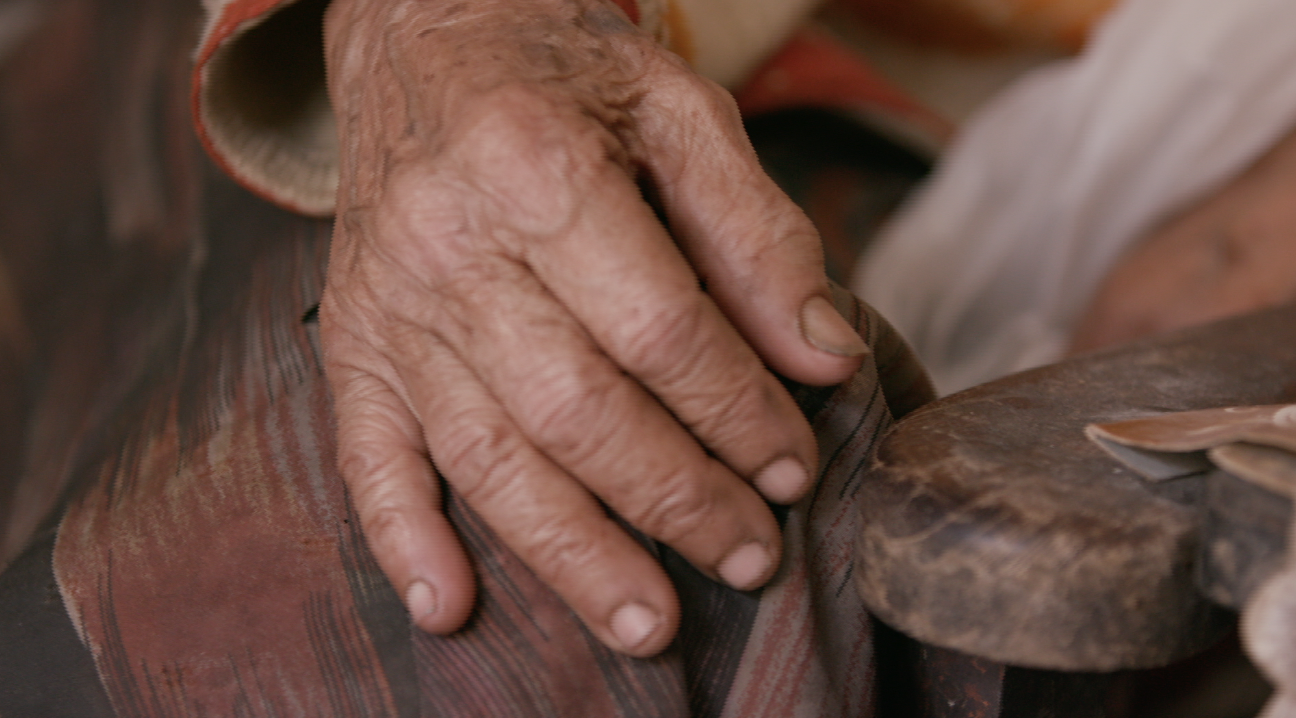
As a journalist, I am trained to seek the truth. But as I began digging into the lives of the ianfu—the women forced into sexual slavery by the Imperial Japanese military—I realized that truth is often buried under layers of shame, fear, and state-sanctioned forgetting.
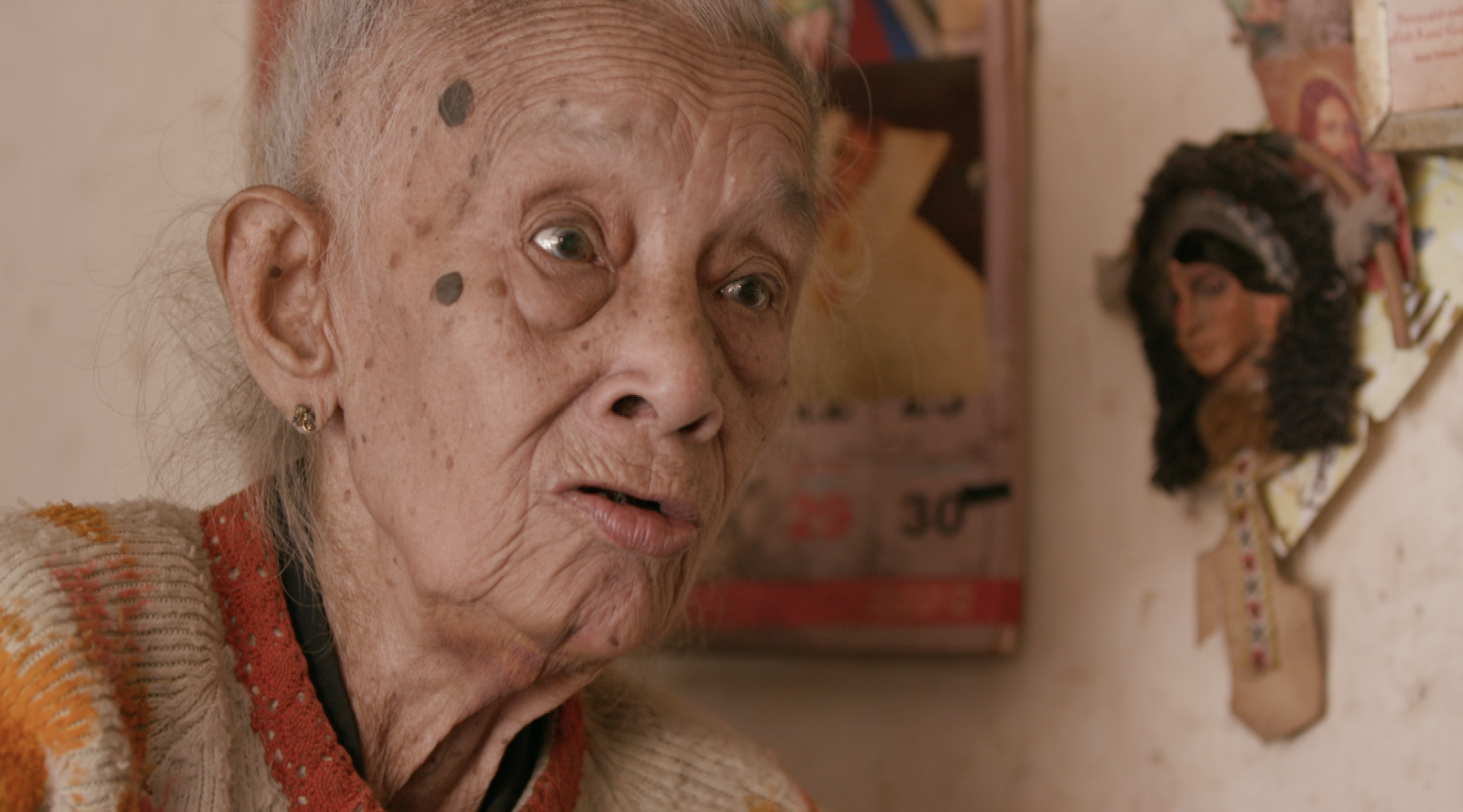
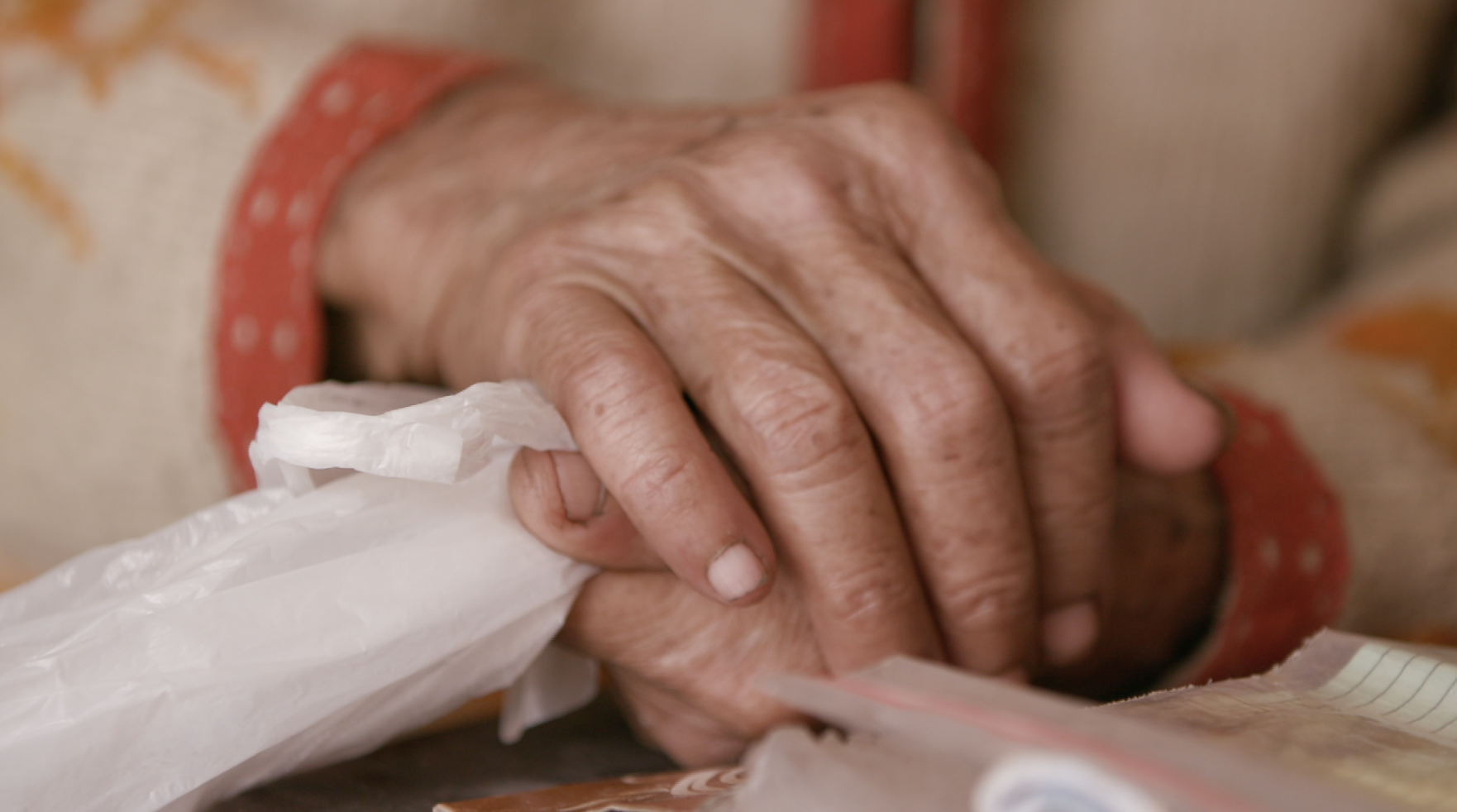
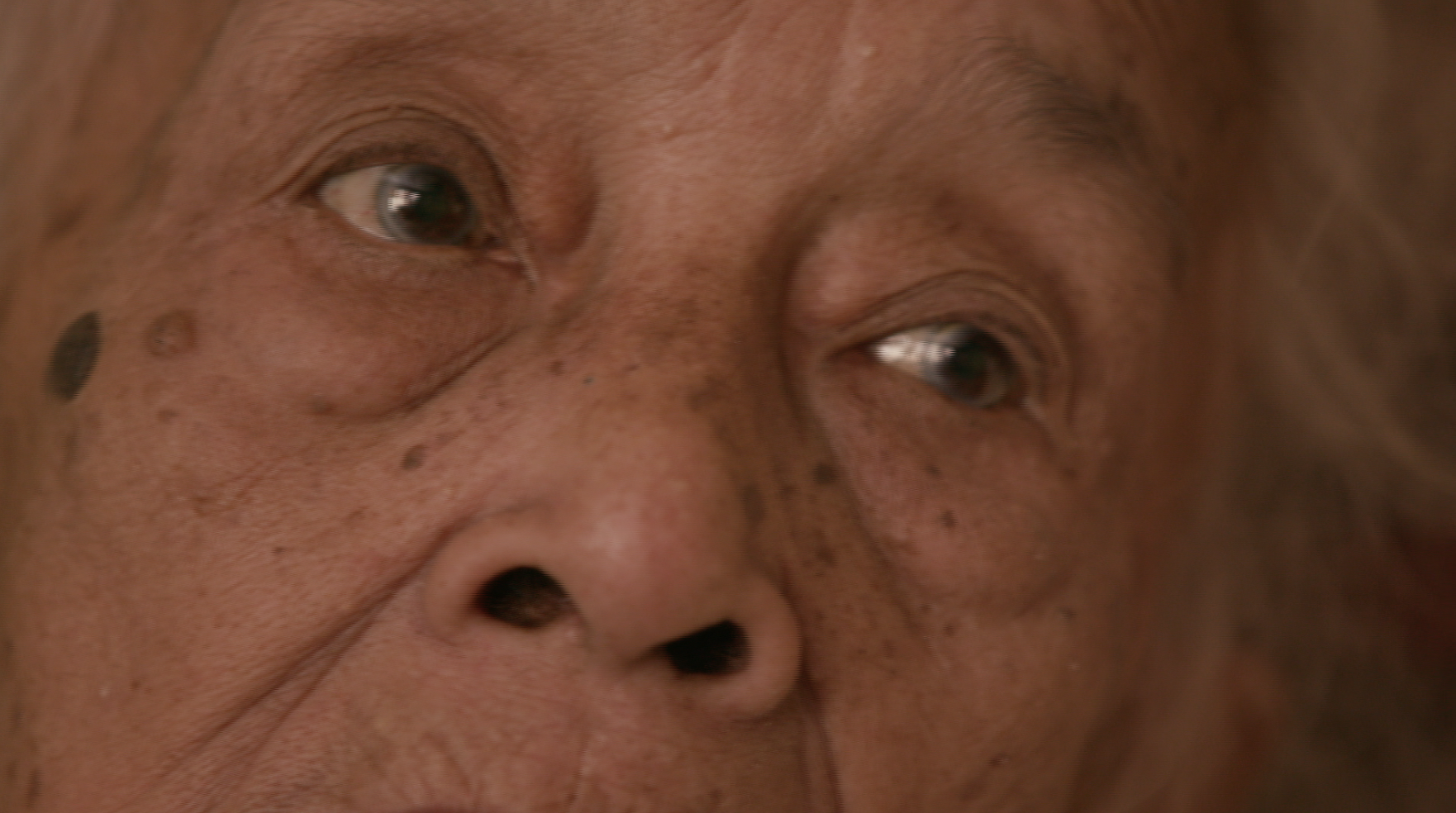
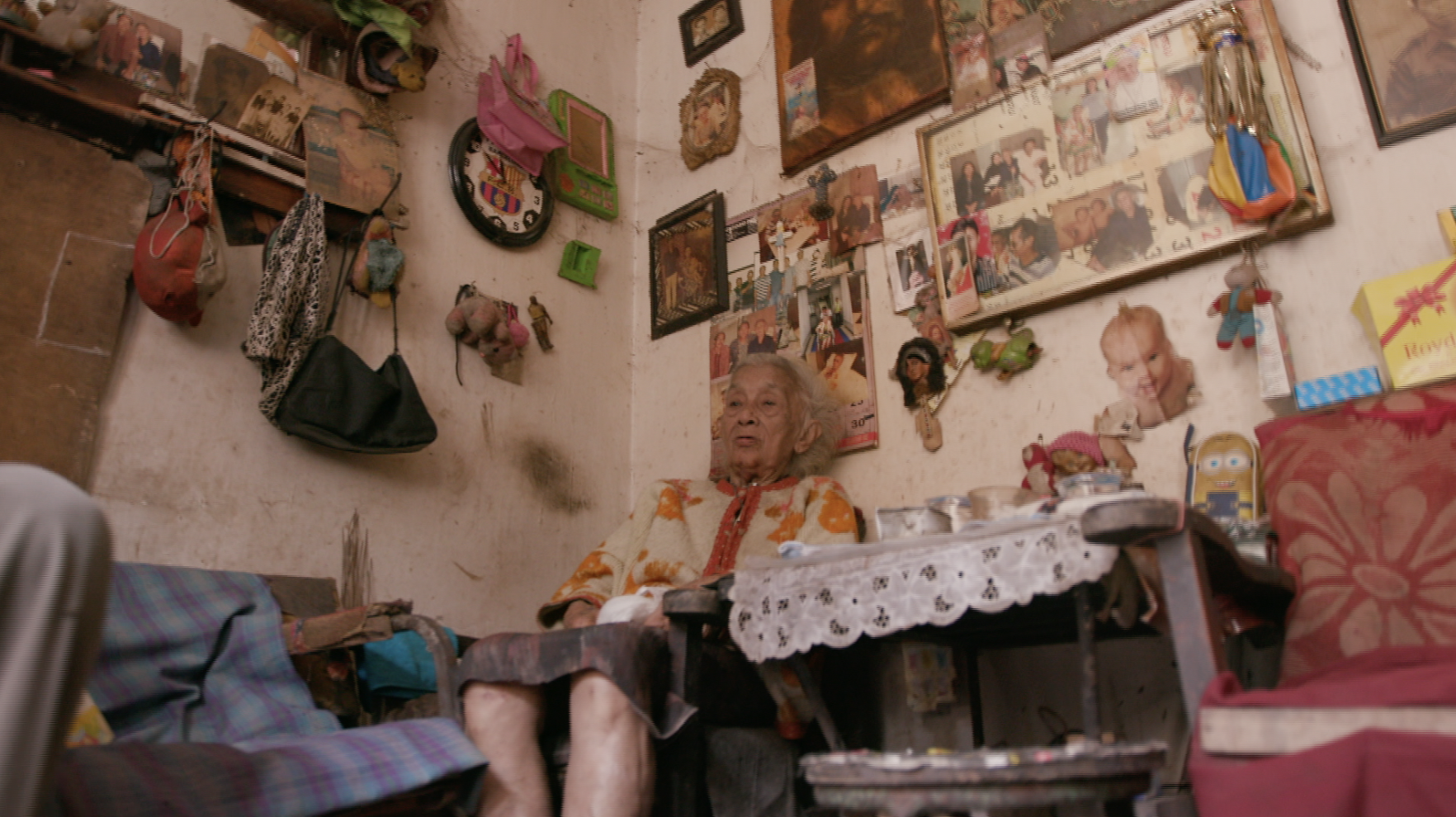
For years, I have listened to the stories of ianfu, or comfort women, like Sri Sukanti. Every time I sit across from their descendants, I am reminded that my job is not just to report; it is to serve as a vessel for a scream that has been muffled for eight decades.
The Ghost in the Building
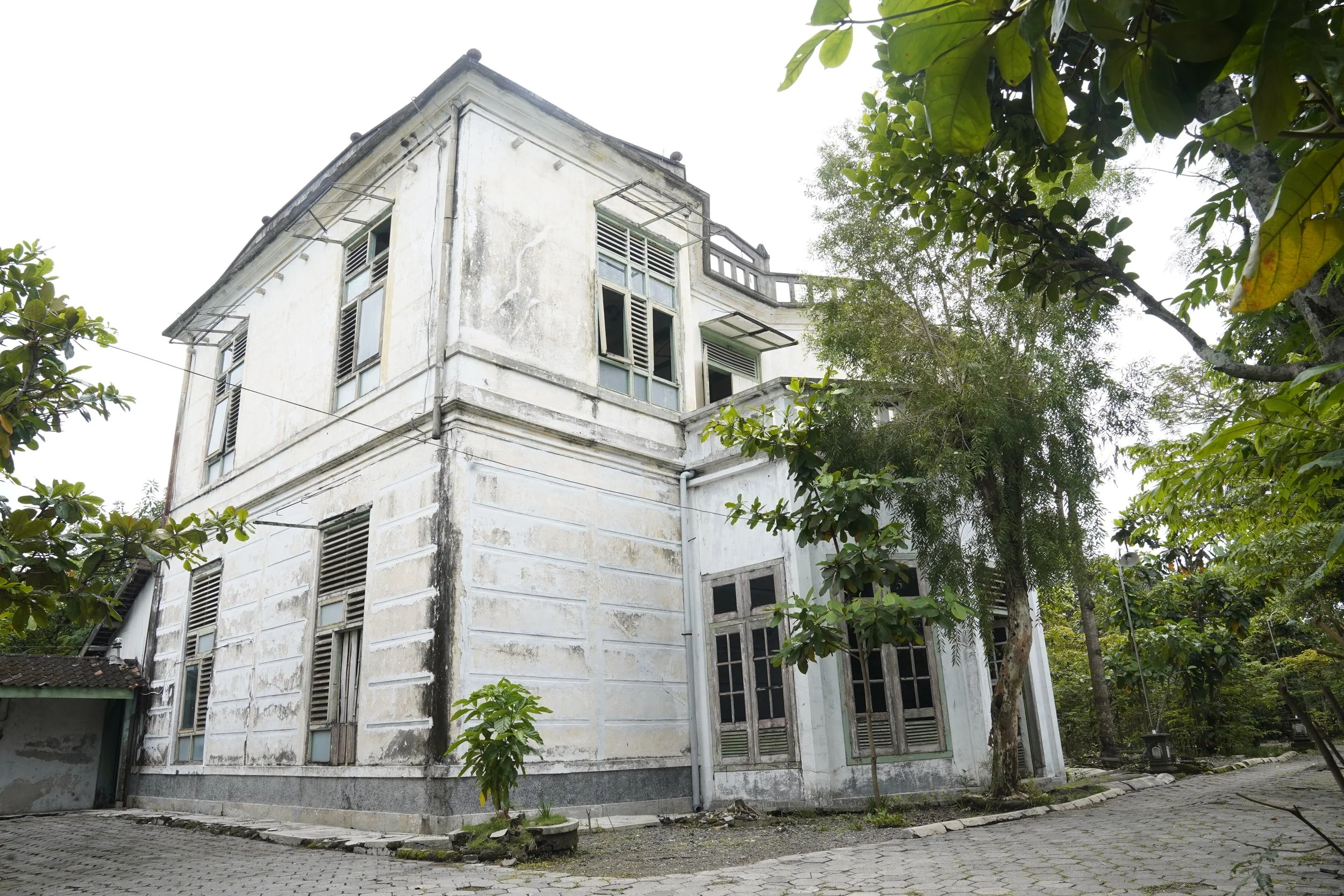
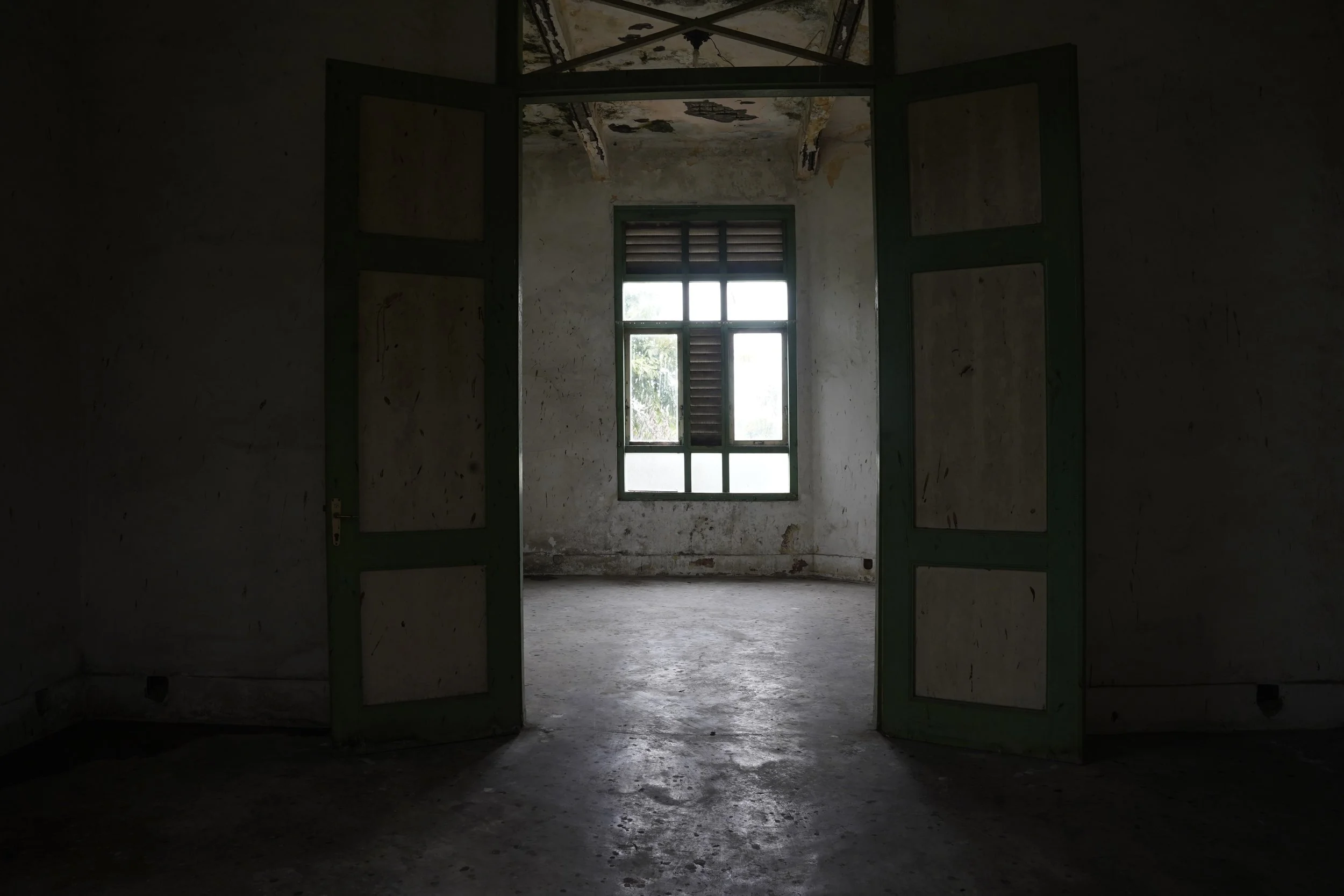
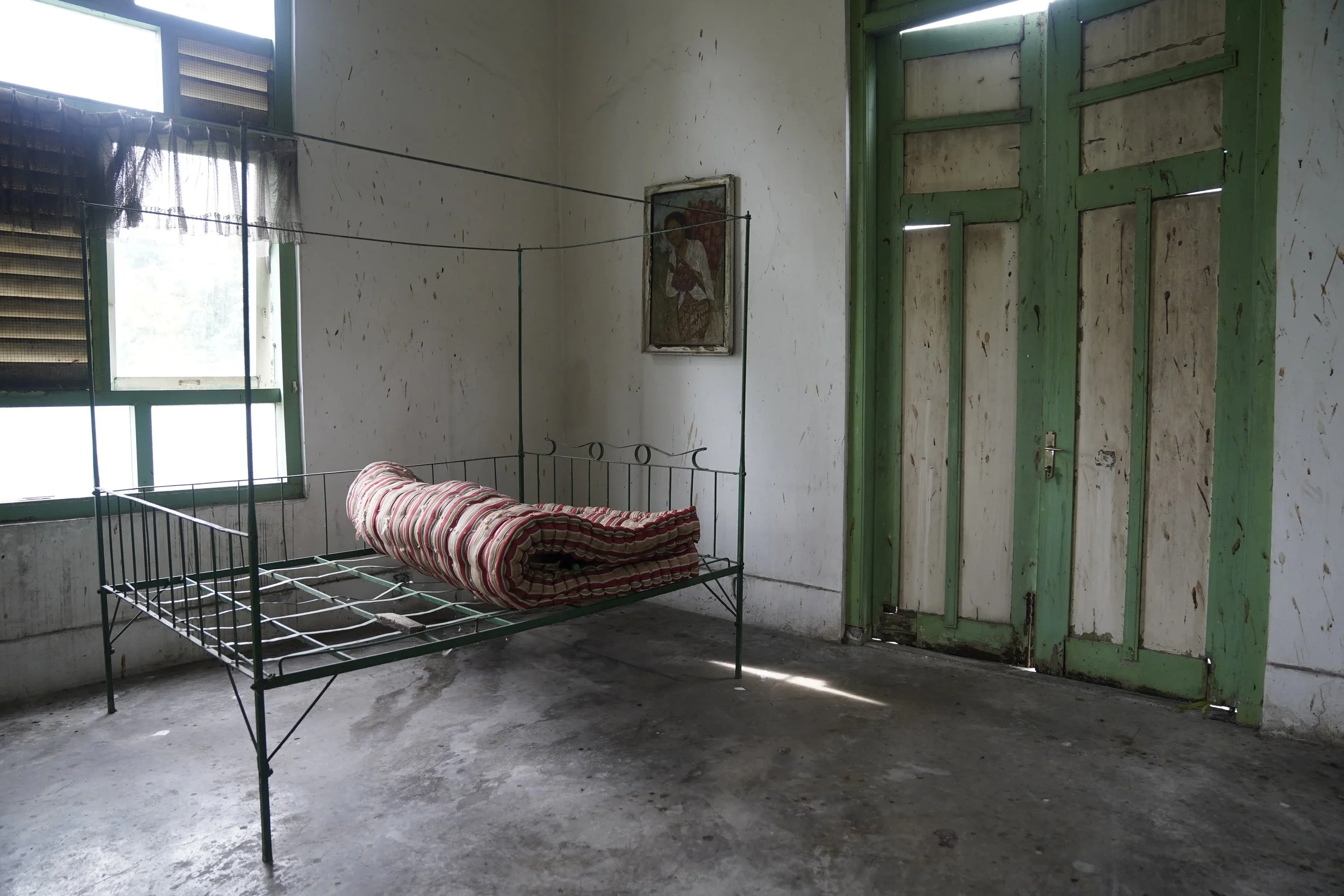
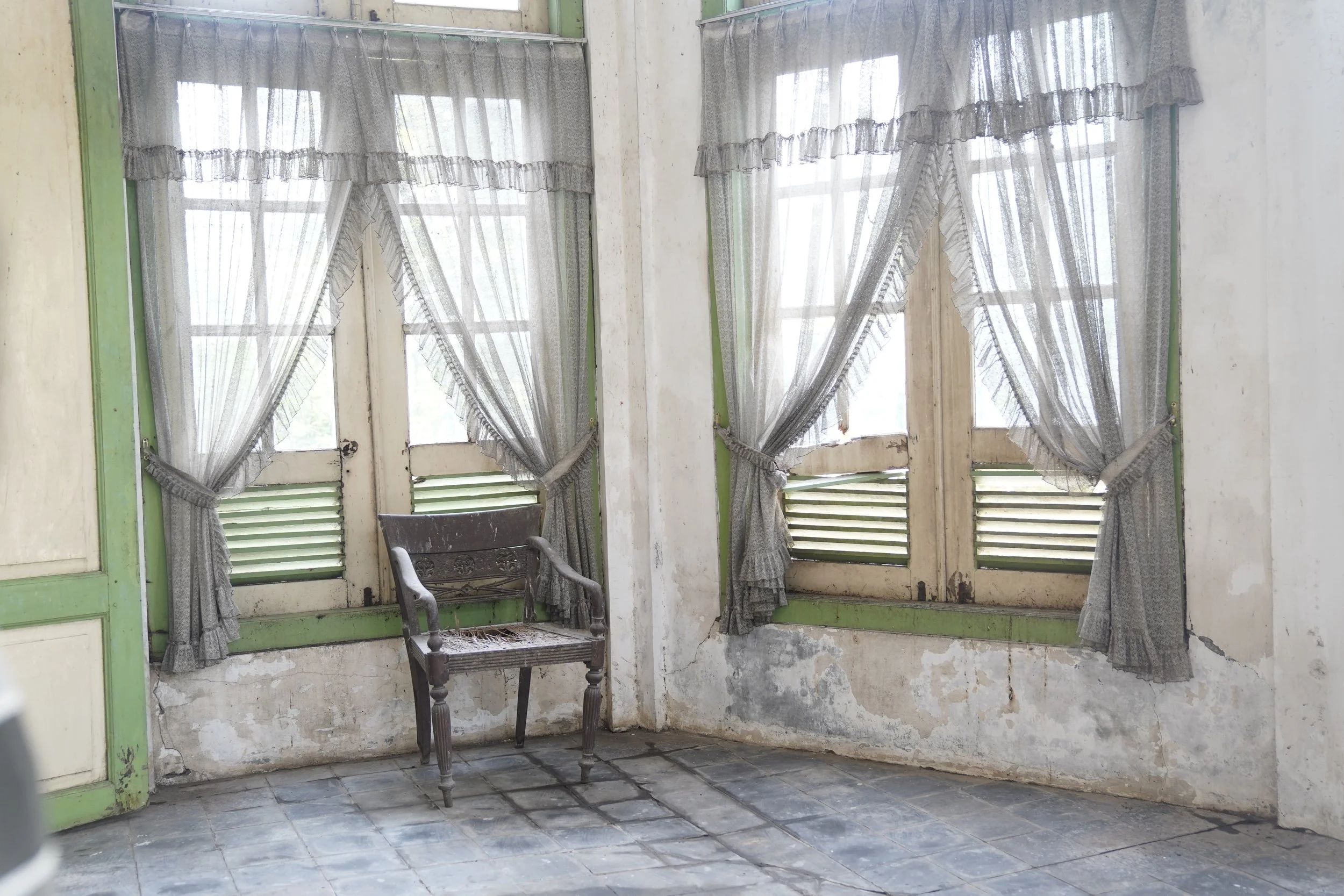
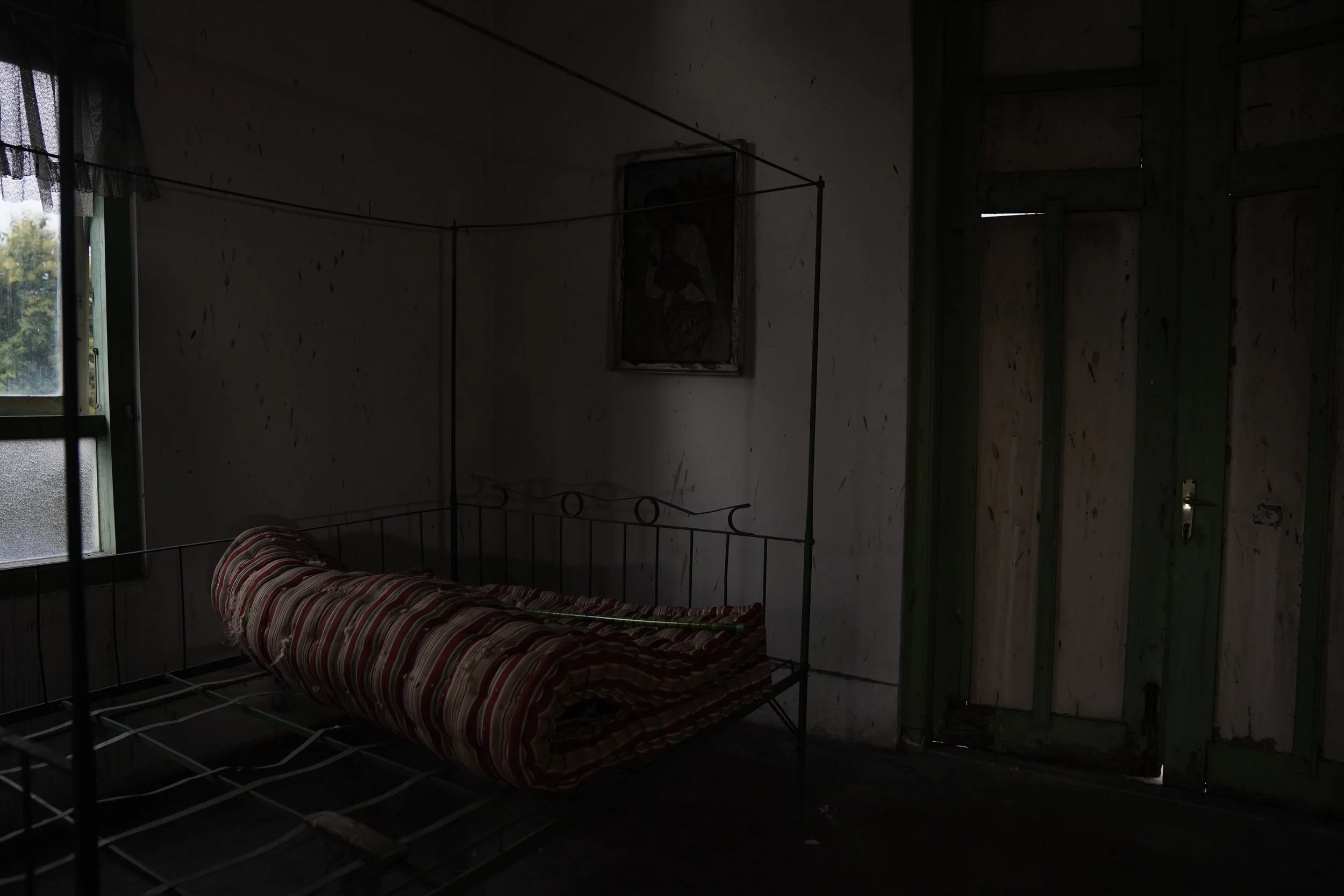
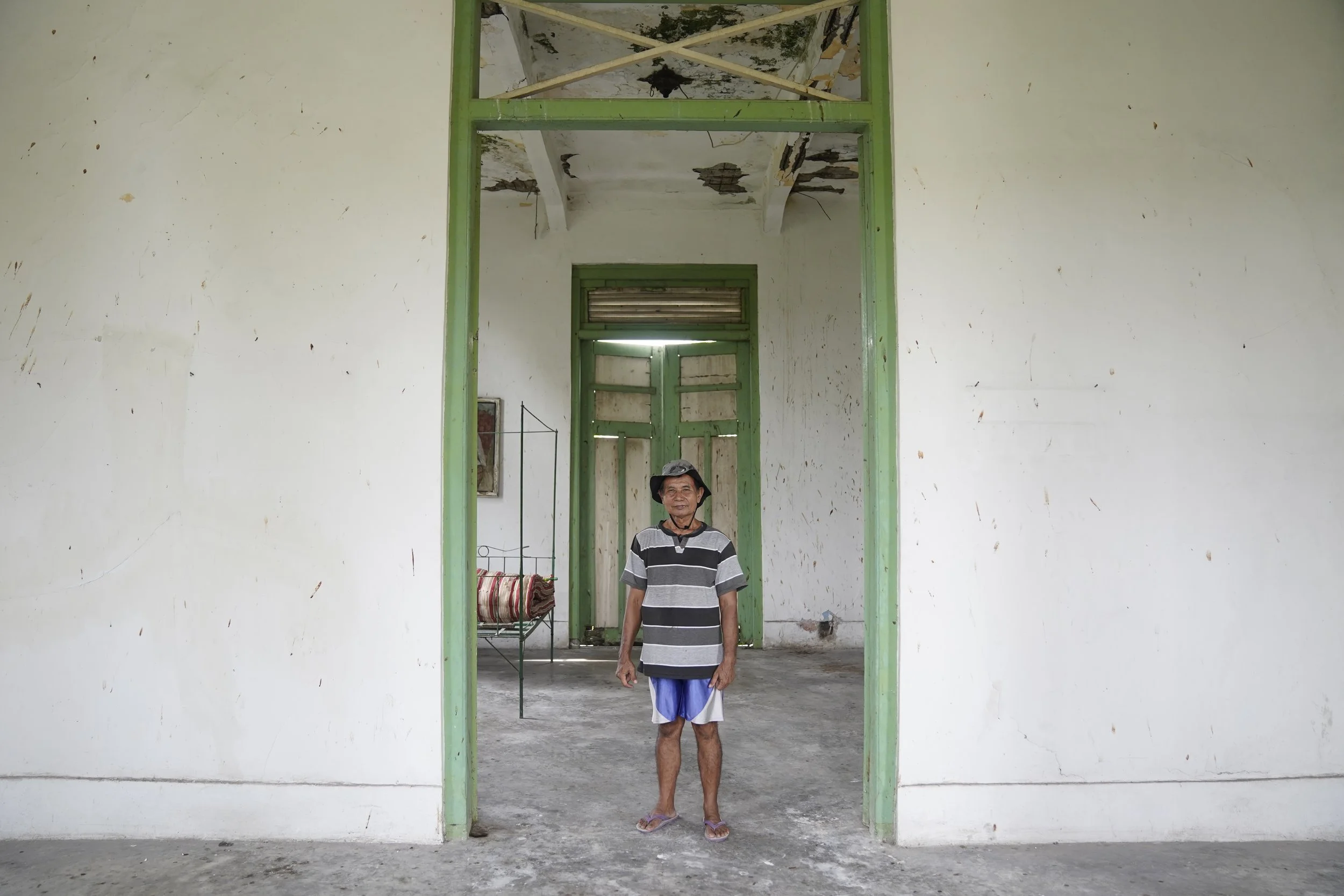
Nowhere was this betrayal more tangible than when I stood before Gedung Papak in the Geyer district of Grobogan, Central Java. To a passerby, it is a sturdy, Dutch-era relic. But for Sri Sukanti, it was the place where her world ended.
She was only nine years old when she was taken. She was told she would be given an education; instead, she was brought to this building, which had been converted into an ianjo (comfort station).
Sri described a life of terrifying confinement, guarded by the Kenpeitai (military police). Within those thick, colonial walls, the Japanese officers—specifically a man named Ogawa—claimed her.
Standing there today, the silence of the building is heavy. It is a physical monument to a crime the world tried to forget. For Sri, the building wasn't just a structure; it was the site of a "calculated recruitment" that stole her childhood.
I have spent much of my career chasing stories deliberately buried under the weight of time and official denial. But none have felt as urgent—or as heavy—as these.
During the Japanese occupation of Indonesia (1942–1945), thousands of women were systematically forced into sexual slavery. When I set out to document this history for the BBC, I knew I was recording a race against time
For decades, their voices were lost in a "culture of silence," muffled by the trauma of the past and the stigma of the present. When I set out to document this history for the BBC, I knew I wasn't just writing an article; I was recording a race against time.
When I first traveled to Central Java to meet those touched by this history, I was struck by the mundane nature of the "original sin." These women weren't just taken; they were tricked. They were children told they were going to school, or young women promised roles as nurses or dancers to support their families during the crushing hardships of Japanese occupation in Indonesia.
I remember the chill I felt documenting that transition from hope to horror—the exact moment a girl realized the "school" was actually an ianjo. In my reporting, I have always tried to emphasize this specific betrayal. It wasn't just physical violence; it was the calculated theft of their futures through lies.
The military recruitment of these girls was a cold, calculated deception. They were teenagers—some as young as Sri Sukanti, who said, "I was still a child... if I didn't obey, I would die." They were promised education; instead, they were locked behind the hidden walls of comfort stations, where their childhoods ended and a lifetime of trauma began.
Through my reporting, I met families still grappling with this legacy. In our documentary, we spoke with Anik Sukaningsih, a third-generation descendant. She recounted the story of her grandmother, Mbah Tugirah, who was "selected" by Japanese soldiers. Like so many others, Tugirah’s ordeal wasn't a choice; it was a brutal abduction.
The Double Silence
What haunts me most is the realization that these women suffered twice: first, at the hands of the Japanese military, and second, at the hands of their own society.
Unlike the survivors in South Korea, who have built a global movement and erected the "Statue of Peace" as a symbol of defiance, the Indonesian ianfu have lived in the shadows. This "Double Silence"—being victims of war crimes and then victims of social stigma—is a theme that permeates my work.
I’ve spoken to families who only learned the truth when their mothers were on their deathbeds. This "double silence"—being victims of the Japanese military and then victims of Indonesian social stigma—is a theme that haunts my work. It is a heavy burden to realize that for many of these women, the end of the war did not mean the start of freedom; it meant the start of a lifetime of hiding.
In Indonesia, a deep-seated social stigma surrounding sexual violence forced these women to hide their pasts, even from their own children. Many died carrying their secrets to the grave, fearing that the truth would bring shame upon their families. This is the "Double Silence" I strive to break—the idea that the victim should be the one to feel shame, rather than the perpetrator.
The Fight for Recognition
A central theme of my investigation is the hollow nature of official "apologies." While the Japanese government has made gestures through the Asian Women’s Fund, activists like Eka Hindra point out a glaring omission: the lack of a formal, state-level apology and direct reparations that acknowledge these women as victims of war crimes. In my documentary, I highlighted the work of those who refuse to let this history fade.
Eka Hindra has spent decades documenting these testimonies, often being the only person these women felt they could trust. As a journalist, I see my role as an extension of that work. We are documenting the truth not to dwell on the pain, but to ensure that the historical record is accurate. We cannot allow the term ianfu to be replaced by euphemisms; we must call it what it was: military sexual slavery.
Yet there is a specific kind of poignancy in talking to the grandchildren of survivors. In my interviews with people like Anik, I see a shift in the narrative. The shame that burdened the first generation is being transformed into a demand for justice by the third. They are the ones asking why this isn't in our history books. They are the ones refusing to let their grandmothers' suffering be forgotten.
I remember standing in the quiet corners of rural Central Java, listening to these stories, and feeling the immense responsibility of the camera and the pen. Every time I hit "record," I am mindful that I am capturing the final witnesses of a dark era.
I wrote this article and produced this documentary because a nation that forgets its victims is a nation that risks repeating its mistakes. The ianfu are not just a footnote in a textbook; they are our grandmothers, our neighbors, and our history.
My work is an invitation to look at the uncomfortable truths of our past. It is a plea to the Japanese and Indonesian governments to provide the recognition these women deserve before the last of them is gone. For me, journalism is at its best when it gives a voice to those who were told they had none. The survivors may be leaving us, but their stories—and our collective memory of them—must remain.
Watch the full documentary here: Sejarah kelam 'ianfu' - BBC News Indonesia